Venue Compliance Management is planned around venue rules, labor windows, freight timing, and the way Miami events actually flow on site.

Venue-aware booth design, rentals, logistics, labor coordination, and show-site control for Miami trade shows.
Venue-aware booth design, rentals, logistics, labor coordination, and show-site control for Miami trade shows.
Capabilities
Venue Compliance Management matters for exhibitors working in the Miami market when it is tied to real venue conditions, South Florida logistics, schedule control, and the connected decisions around On-Site Project Governance, Exhibit Rental Programs, and Coconut Grove. The goal is a cleaner next move, not another generic trade show paragraph.
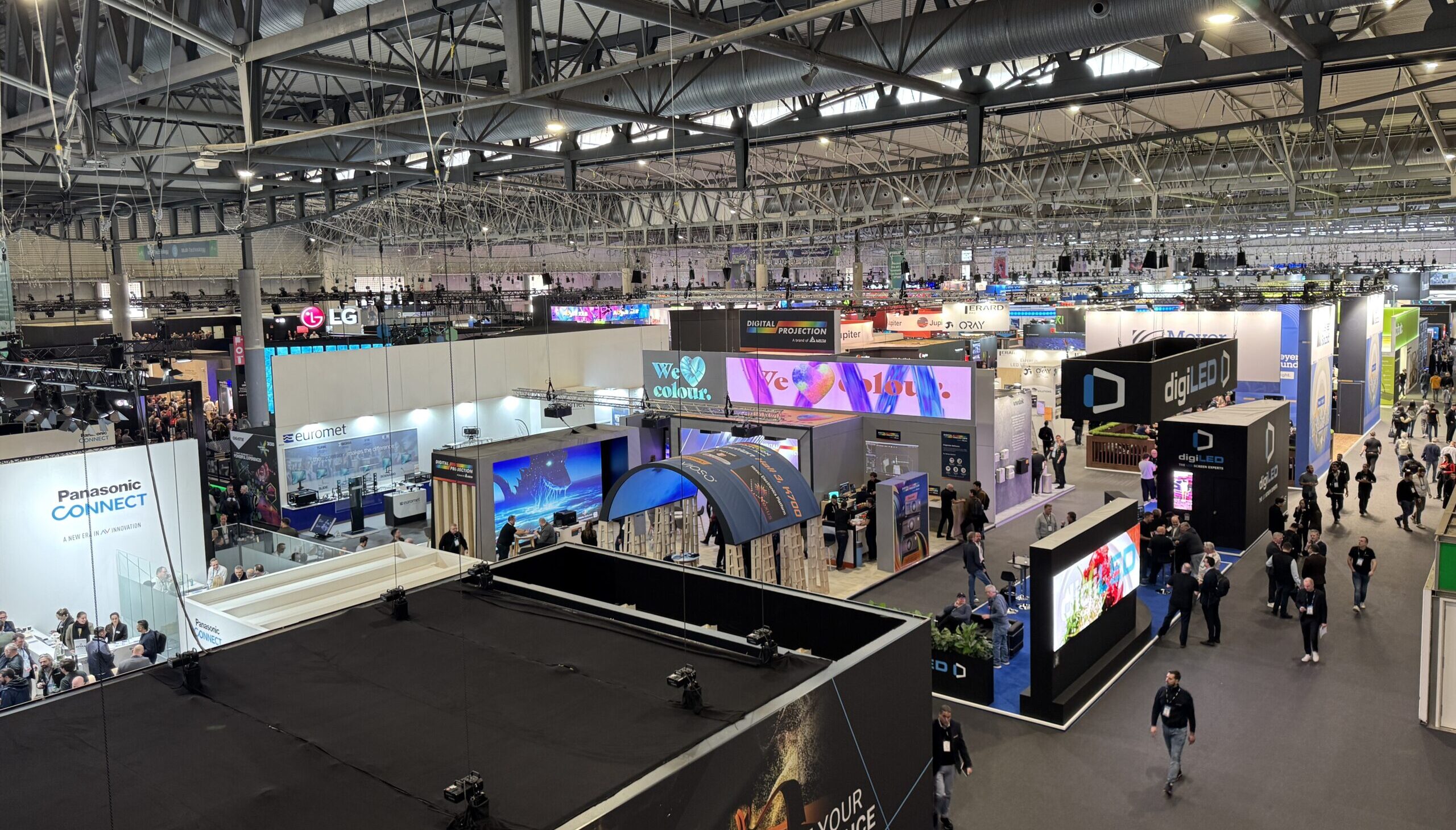
Venue Compliance Management is planned around venue rules, labor windows, freight timing, and the way Miami events actually flow on site.
Trade Show Exhibit Company of Miami uses nearby routes like On-Site Project Governance, Exhibit Rental Programs, and Coconut Grove to keep design, logistics, and execution decisions connected.
Venue Compliance Management is valuable when the buyer needs a stronger coordination layer than a typical single-service vendor can provide. Capabilities are not just tasks. They are the operating mechanisms that keep scope, schedule, venue paperwork, field execution, and stakeholder communication from breaking apart once the project gains speed. That distinction matters because buyers are often solving for control, not merely for output.
A serious capability section should therefore explain what gets owned, what gets monitored, and what kind of decision-making becomes easier when the capability is present. If the answer is vague, the capability is probably being marketed more than it is being operationalized. Strong sections make the responsibility map visible.
Capabilities become more important in Miami because the market rewards teams that can coordinate across changing venue conditions, dense show calendars, and different district rhythms without letting the booth quality slip. A project might move through a downtown planning cycle, an airport-west logistics path, and a beach-side venue environment while still needing one coherent operating lead.
That is why routes such as On-Site Project Governance, Exhibit Rental Programs, and Coconut Grove belong next to capability content. They show where the capability plugs into the rest of the program. The point is not that the capability sounds sophisticated. The point is that it removes friction in the exact places where Miami projects usually get expensive or messy.
Venue Compliance Management should show up in written assumptions, milestone control, venue-facing coordination, and how the team handles field changes when the schedule is active. Buyers should expect specific deliverables: reporting rhythm, owner accountability, escalation paths, and a clear interface with design, fabrication, rentals, graphics, and show-site execution. Otherwise the capability remains a slogan.
This is especially important when several vendors or departments are touching the same project. Capabilities create the connective tissue that keeps the final environment coherent. When that connective layer is weak, small misses in paperwork, freight timing, or graphics approval show up later as bigger issues on the show floor.
Buyers typically need venue compliance management when the project has multiple stakeholders, repeated dates, technically demanding venue requirements, or a compressed calendar that leaves little room for error. It is also useful when the event itself is straightforward but the internal decision structure is not. A stronger capability layer can keep leadership, marketing, operations, and procurement aligned around the same version of the brief.
That need becomes even clearer when the project spans several decisions at once. If the team is balancing custom and rental scope, managing show services, or working through several venues on one calendar, the capability often determines whether the program feels disciplined or reactive. It protects the work that the audience never sees directly but always experiences indirectly.
Before approving venue compliance management, buyers should ask what specific risk it is reducing, which deliverables prove it is active, who owns the day-to-day decisions, and how success will be measured beyond the absence of chaos. Capabilities are most useful when they are easy to audit. The buyer should be able to point to milestones, decisions, and process improvements that exist because the capability is in place.
They should also check whether the capability duplicates an existing service or genuinely coordinates the gaps between services. That distinction keeps scope honest and helps the team invest in the layer of support that will actually improve the project rather than simply adding another label to the estimate.
The right next move is to define the venue, show calendar, stakeholder set, current scope, and the place where coordination is most likely to slip. With that context, the team can decide whether venue compliance management should lead the program, sit alongside other services, or be reserved for the part of the project carrying the most operational risk.
Trade Show Exhibit Company of Miami uses capability guides to help buyers tighten the operating structure behind the exhibit, not just the visible parts of the booth. That creates better accountability, cleaner field execution, and a more believable schedule from the first planning call to the final teardown.