Edgewater is planned around venue rules, labor windows, freight timing, and the way Miami events actually flow on site.

Venue-aware booth design, rentals, logistics, labor coordination, and show-site control for Miami trade shows.
Venue-aware booth design, rentals, logistics, labor coordination, and show-site control for Miami trade shows.
Locations
Edgewater is a real operating choice for exhibitors planning in and around Miami. The district affects venue fit, hotel access, trucking convenience, and the kind of booth strategy that makes sense once the event moves from concept into a live South Florida schedule. It also connects Edgewater to nearby decisions such as Coconut Grove, Coral Gables, and Exhibit Rental Programs so the location works as part of a full exhibit brief instead of reading like a disconnected geography label.
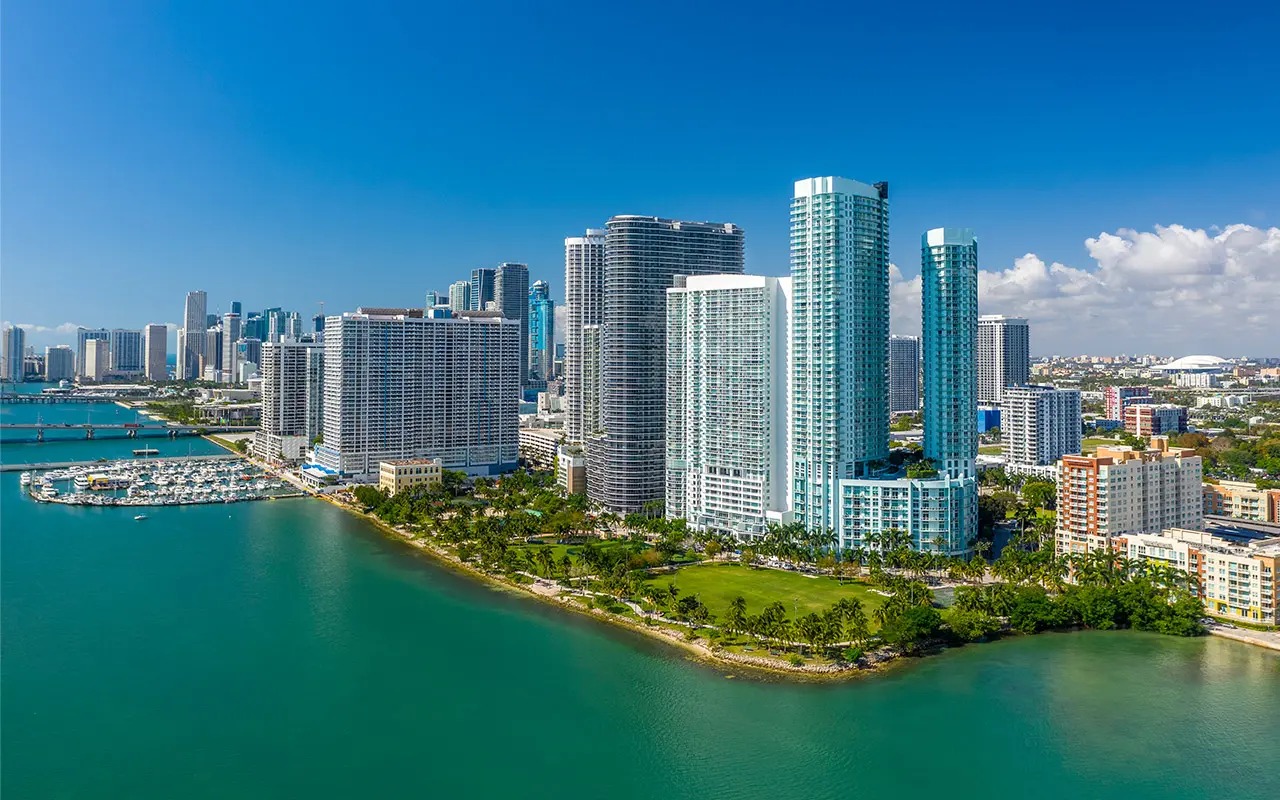
Edgewater is planned around venue rules, labor windows, freight timing, and the way Miami events actually flow on site.
Trade Show Exhibit Company of Miami uses nearby routes like Coconut Grove, Coral Gables, and Exhibit Rental Programs to keep design, logistics, and execution decisions connected.
Edgewater sits inside the Downtown, Brickell, and Biscayne Bay Core corridor, which changes hotel mix, truck movement, and how quickly teams can reset between event days.
Edgewater deserves more than a generic location tag because district choice changes the way the entire program behaves. Hotel inventory, walkability, venue style, loading conditions, and the speed at which staff and clients can move between meetings all influence what kind of exhibit environment makes sense. A booth that works cleanly in one Miami corridor can feel overbuilt, under-supported, or logistically awkward in another.
Supports downtown conference centers, convention hotels, investor and product-launch events, sponsor activations, and high-density corporate programs tied to Biscayne Bay and the urban core. This is the part of Miami that tends to reward programs with easy walking distance, polished hospitality, and a need to move fast between meetings, but it can also create tighter loading and staging constraints if the plan is not specific. That is why location guides are most useful when they explain the operating profile of the district, not just the name on the map. Exhibitors use sections like this to decide whether the market supports a hospitality-forward environment, a practical convention base, or a tighter program built around fast setup and simpler reset logic.
The venue mix around Edgewater is one of the first filters to apply. Some districts support larger convention footprints and dense hotel blocks. Others skew toward boutique properties, launch events, or sponsor-heavy programs where atmosphere matters as much as scale. Buyers should ask how the local venue inventory affects booth size, support requirements, and the amount of on-site leadership needed once guests are in the room.
Traffic and trucking matter too. South Florida can punish vague movement plans, especially when the schedule depends on short install windows or same-day resets. A district with better warehouse access or easier truck movement can outperform a more glamorous address if the event requires repeated freight handling, fast turnover, or close coordination between labor and technical vendors.
Edgewater is usually a strong fit for programs that match the rhythm of the district rather than fight it. In some parts of Miami that means attendee energy, hotel density, and easy movement between hospitality and exhibit moments. In others it means cleaner warehouse routing, less cross-town backtracking, and a more practical base for repeated install-and-reset work. The right answer depends on the goal of the event, not just the prestige of the address.
That distinction matters when leadership, marketing, and operations are all reading the same brief differently. One group may be drawn to audience energy while another is watching load-in risk, budget exposure, or how much field supervision the venue cluster will require. A good location section helps those groups evaluate the district through the same lens so the choice feels strategic instead of cosmetic.
The main risk in Edgewater is assuming the district will solve problems it does not actually solve. Walkability does not remove the need for disciplined freight timing. A practical access corridor does not automatically create the right guest experience. A luxury setting does not eliminate the need for a clear labor plan. Buyers should identify which advantage matters most and then build the booth and service stack around that priority.
The other risk is failing to connect the location choice back to the venue and service decisions. Nearby paths such as Coconut Grove, Coral Gables, and Exhibit Rental Programs matter because the district only becomes useful when the booth format, logistics plan, and show-site ownership align with it. The location should make the rest of the plan easier to execute, not harder to explain.
Experienced teams use Edgewater as a planning lever. If they need denser hospitality and stronger attendee energy, they look for venues and booth formats that let the district do part of the storytelling. If they need cleaner trucking, simpler resets, or easier access to support vendors, they simplify the environment and let the operating efficiency create the advantage. The location becomes a business decision before it becomes a design decision.
That strategic use is especially important for companies running more than one South Florida event. The right district can lower friction across the calendar by reducing rework, keeping labor assumptions believable, and making it easier to repeat what already worked. A weaker district choice often does the opposite, forcing the team to re-solve the same problems every time the venue changes.
Before locking Edgewater, the buyer should confirm the target venue list, the type of attendee experience required, the installation window, the amount of freight support needed, and whether the booth package is rental-led, custom-led, or a hybrid of both. Those answers usually determine whether the district strengthens the program or adds an unnecessary layer of complexity.
With that information in hand, Trade Show Exhibit Company of Miami can recommend the right service mix, the most compatible venues, and the booth strategy that fits the district without overspending. The aim is not to romanticize a Miami neighborhood. It is to choose the part of the market that gives the exhibit the best chance to perform, look polished, and stay controlled from load-in through dismantle.