Island Booth Rentals is planned around venue rules, labor windows, freight timing, and the way Miami events actually flow on site.

Venue-aware booth design, rentals, logistics, labor coordination, and show-site control for Miami trade shows.
Venue-aware booth design, rentals, logistics, labor coordination, and show-site control for Miami trade shows.
Rentals
Island Booth Rentals matters for exhibitors working in the Miami market when it is tied to real venue conditions, South Florida logistics, schedule control, and the connected decisions around Conference Environment Rentals, AV Rental for Trade Shows, and Trade Show Booth Design. The goal is a cleaner next move, not another generic trade show paragraph.
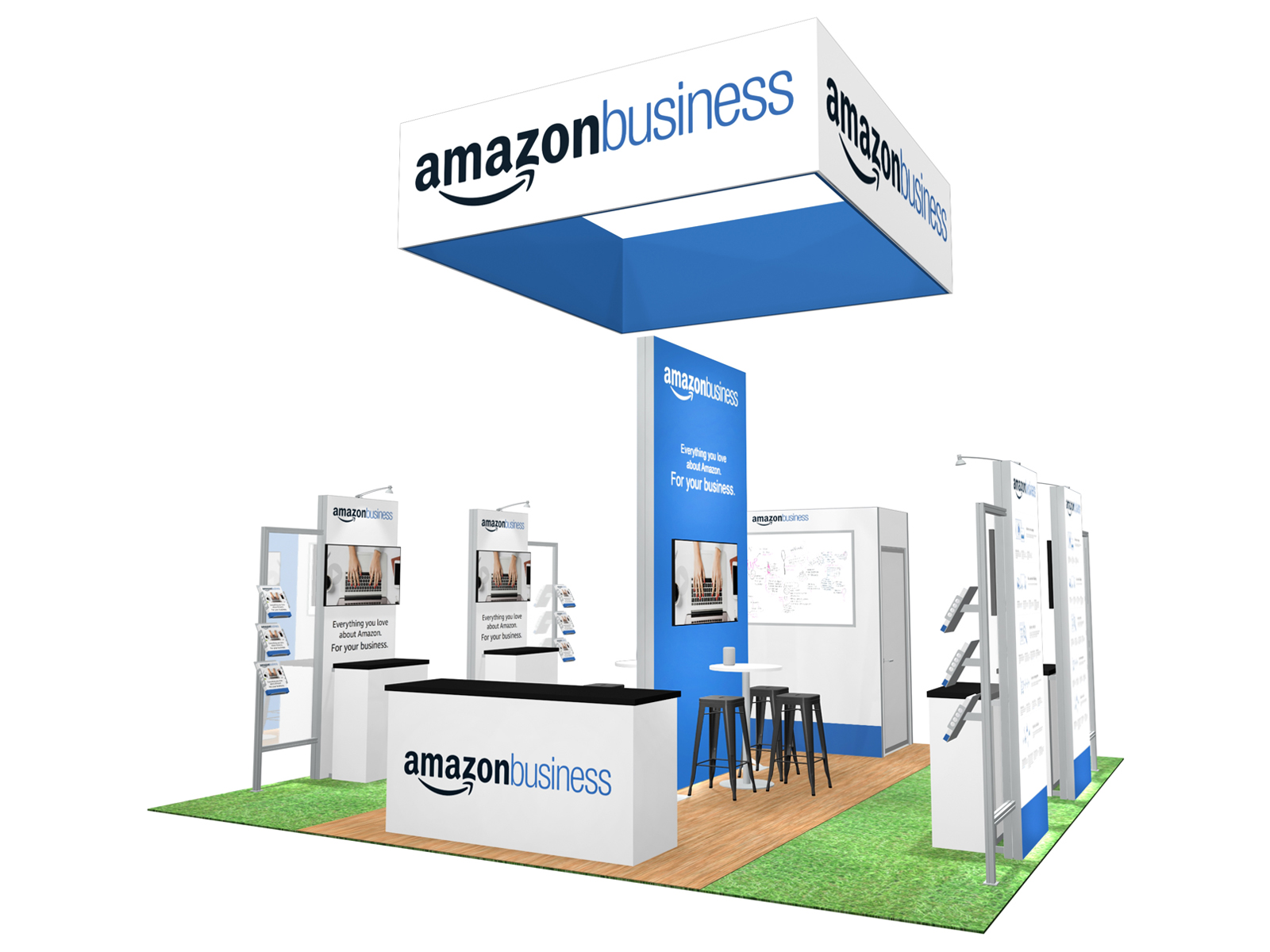
Island Booth Rentals is planned around venue rules, labor windows, freight timing, and the way Miami events actually flow on site.
Trade Show Exhibit Company of Miami uses nearby routes like Conference Environment Rentals, AV Rental for Trade Shows, and Trade Show Booth Design to keep design, logistics, and execution decisions connected.
Rental sections focus on speed, finish quality, reuse logic, and how much custom work is actually worth paying for.
Island Booth Rentals is usually chosen because the exhibitor wants speed, flexibility, and a cleaner capital decision than a fully custom build would provide. That does not mean the program is less serious. It means the buyer is trying to preserve quality while staying nimble on timing, footprint, or future event changes. A strong rental section explains where that tradeoff becomes smart rather than simply less expensive.
Rental choices also help buyers keep strategic options open. When the venue is not fully locked, the design is still evolving, or the calendar includes more than one date with different room conditions, rentals can create a more resilient path. They let the team spend money where the audience will notice it most and avoid overbuilding the parts of the environment that do not need permanent ownership.
Island Booth Rentals should be evaluated by more than rental price. The real value comes from how quickly the package can be approved, customized, installed, and adapted to venue reality without looking temporary or generic. Buyers should look for a package that protects graphics quality, furniture quality, lighting, and brand presence while still giving the project a shorter path to the field.
That balance is especially useful in Miami, where event calendars can tighten quickly and venue logistics sometimes make a lighter, faster package more defensible than a custom-heavy build. A disciplined rental program knows when to hold the line on simplicity and when to add the custom elements that keep the final result from feeling off-the-shelf.
Island Booth Rentals works best when it is matched to the room and the event format. A modular display may be perfect for one venue and underpowered for another. A lounge-driven package can strengthen a hospitality-heavy program but make less sense in a tighter exhibit environment. Rental logic becomes stronger when the section helps the buyer connect the package to the specific way the event will operate.
That is why related routes such as Conference Environment Rentals, AV Rental for Trade Shows, and Trade Show Booth Design matter here. They reveal whether the rental is supporting the right kind of program or whether the event would benefit from a different booth type, stronger technical support, or a more custom-forward approach. The package should fit the event, not the other way around.
Rentals still need a point of view. The graphics program, lighting plan, furniture choices, digital elements, and the way the audience moves through the space determine whether island booth rentals feels polished or disposable. Buyers should expect the rental strategy to define where branded impact lives and how the package can be tailored without losing the speed advantage that made rental attractive in the first place.
The user experience matters just as much as the visuals. Attendees should understand where to stop, what to engage with, and how to move into conversations or demos without confusion. A good rental package solves that functional problem cleanly and then lets the visual layer support it, rather than relying on surface-level styling to compensate for a weak spatial plan.
A rental program is only as good as its field readiness. Buyers should verify condition standards, replacement options, freight handling, installation sequencing, and who is responsible if a venue constraint forces the package to shift at the last minute. Those details determine whether rental feels easy or merely optimistic.
Reuse value matters too. Some exhibitors need a package that can evolve across several shows, districts, or room types. Others need a one-time solution that still looks premium under pressure. The section should make that distinction visible so the buyer knows whether the rental strategy is built for repeat use, rapid deployment, or a single high-impact appearance.
The cleanest way to test island booth rentals is to line it up against the venue, event dates, desired footprint, graphics status, and the level of custom expression that the brand actually needs. If the package protects the experience, fits the calendar, and keeps the project adaptable, it is likely the right move. If not, the team should change the rental type before the scope hardens.
Trade Show Exhibit Company of Miami uses rental guides to help buyers spend intelligently. The goal is to combine speed and polish without pretending every project needs the same level of custom fabrication. When the venue, event type, and brand priorities are clear, the right rental path usually becomes much easier to see.