Product Launch Environments is planned around venue rules, labor windows, freight timing, and the way Miami events actually flow on site.

Venue-aware booth design, rentals, logistics, labor coordination, and show-site control for Miami trade shows.
Venue-aware booth design, rentals, logistics, labor coordination, and show-site control for Miami trade shows.
Services
Product Launch Environments matters for exhibitors working in the Miami market when it is tied to real venue conditions, South Florida logistics, schedule control, and the connected decisions around Conference Environment Buildouts, Sponsorship Activation Production, and West Miami. The goal is a cleaner next move, not another generic trade show paragraph.
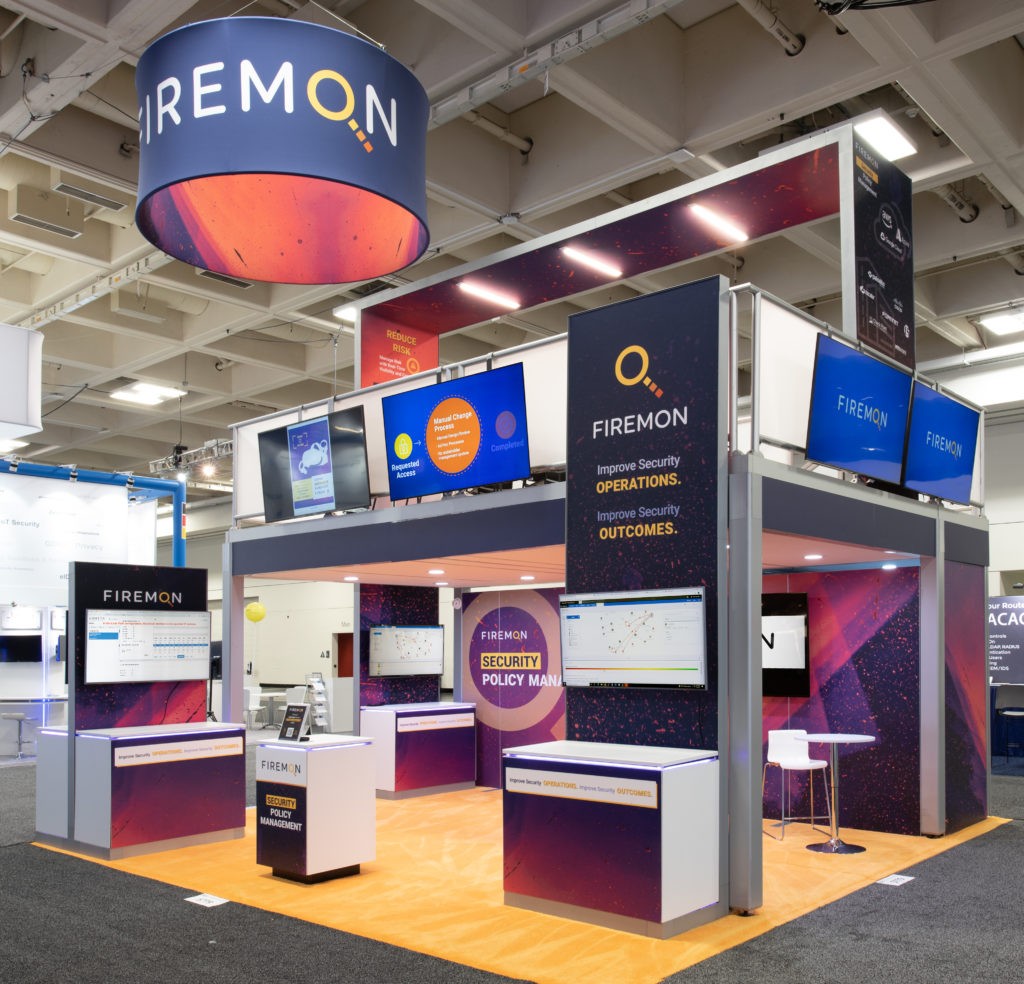
Product Launch Environments is planned around venue rules, labor windows, freight timing, and the way Miami events actually flow on site.
Trade Show Exhibit Company of Miami uses nearby routes like Conference Environment Buildouts, Sponsorship Activation Production, and West Miami to keep design, logistics, and execution decisions connected.
Service planning stays practical: scope, owner, timeline, approvals, and show-floor accountability are defined before the expensive work starts.
Product Launch Environments is strongest when the schedule is active, several stakeholders are involved, and the brief needs to stay coherent from kickoff through dismantle. In Miami, that often means reconciling marketing goals with venue paperwork, labor calls, graphics deadlines, and the install sequence required by the room. A good service section should explain the operational responsibility behind the label, because buyers are not shopping for abstract promises. They are deciding who will actually keep the project aligned once the calendar tightens.
Product Launch Environments also needs to be judged against the rest of the program. It rarely works alone. The adjacent decisions around Conference Environment Buildouts, Sponsorship Activation Production, and West Miami determine whether the service solves the real problem or only covers one part of it. That is why strong exhibit teams define scope boundaries early and identify which deliverables stay inside the service lane and which ones require broader coordination.
The fastest way to lose control of product launch environments is to treat venue conditions as an afterthought. Miami rooms can impose tight dock windows, service-order deadlines, power planning steps, and labor restrictions that ripple backward into fabrication, rentals, AV, and graphics. When those conditions are surfaced early, the service can be priced and scheduled around what the room will actually allow instead of around a best-case assumption.
Approvals matter just as much as the venue. Brand review, stakeholder signoff, organizer paperwork, and freight release timing all shape whether product launch environments feels clean or chaotic in the final week. A disciplined team keeps those checkpoints visible, names an owner for each one, and writes down the assumptions so there is less room for drift when the schedule starts compressing.
South Florida rewards teams that think in corridors instead of in a single dot on a map. The booth may be designed in one setting, staged from another, and installed in a venue with a very different service rhythm. Product Launch Environments should therefore be evaluated by how well it connects procurement, logistics, venue operations, and field supervision across that path. The service has to survive the movement, not just the concept.
That is where local knowledge becomes practical instead of promotional. Knowing whether the project sits in Miami Beach, the downtown core, or the airport-west belt changes trucking logic, labor timing, and how much buffer the schedule needs. Strong service delivery makes those realities explicit early so the buyer can decide whether the current plan is appropriately ambitious or needs a simpler route to protect finish quality.
Product Launch Environments is especially useful when the exhibitor is balancing several decisions at once: custom versus rental scope, show-site supervision needs, the amount of technical support required, and how much venue risk can be absorbed without slowing the opening. Teams also look for it when an internal marketing lead needs more operational structure or when procurement wants a cleaner way to compare vendors without relying on vague line items.
It can also be the right call for repeat exhibitors that need a steadier operating rhythm. A program that moves through several Miami or South Florida dates benefits from written assumptions, reusable processes, and a service owner who can spot where the next venue will demand a different answer. That repeat-use value is one of the best reasons to define the service carefully instead of treating it as a catch-all label.
Before approving product launch environments, a buyer should ask who owns the venue manual review, which milestones govern graphics and fabrication, how labor and freight assumptions are being documented, and what escalation path exists when a show organizer changes the rule set late. Those are not side questions. They determine whether the work stays controlled when show week arrives.
The buyer should also verify how this service hands off to the rest of the stack. If the same team is also handling Conference Environment Buildouts, Sponsorship Activation Production, and West Miami, the handoff should feel deliberate. If not, the interface between parties needs to be clear enough that nobody is improvising responsibilities on the show floor. The best service providers remove uncertainty before the expensive phase begins, not after.
A useful next conversation starts with the basics: target event dates, venue or district, booth footprint, the current design status, and the part of the project that feels least settled. That information tells the team whether product launch environments is the primary need or whether another service, venue section, or rental path should be solved first. It also reveals where the schedule is already vulnerable.
Once those facts are on the table, Trade Show Exhibit Company of Miami can advise on scope, sequence, and whether the project wants a tighter operating lead, a lighter support package, or a different mix of services altogether. The goal is not to make the section sound bigger than it is. The goal is to help the buyer make a cleaner decision and move toward a brief that can actually hold together in Miami.