Brand Activation Services is planned around venue rules, labor windows, freight timing, and the way Miami events actually flow on site.
Venue-aware booth design, rentals, logistics, labor coordination, and show-site control for Miami trade shows.
Venue-aware booth design, rentals, logistics, labor coordination, and show-site control for Miami trade shows.
Event Types
Brand Activation Services matters for exhibitors working in the Miami market when it is tied to real venue conditions, South Florida logistics, schedule control, and the connected decisions around Corporate Event Services, Roadshow Services, and Custom Exhibit Fabrication. The goal is a cleaner next move, not another generic trade show paragraph.
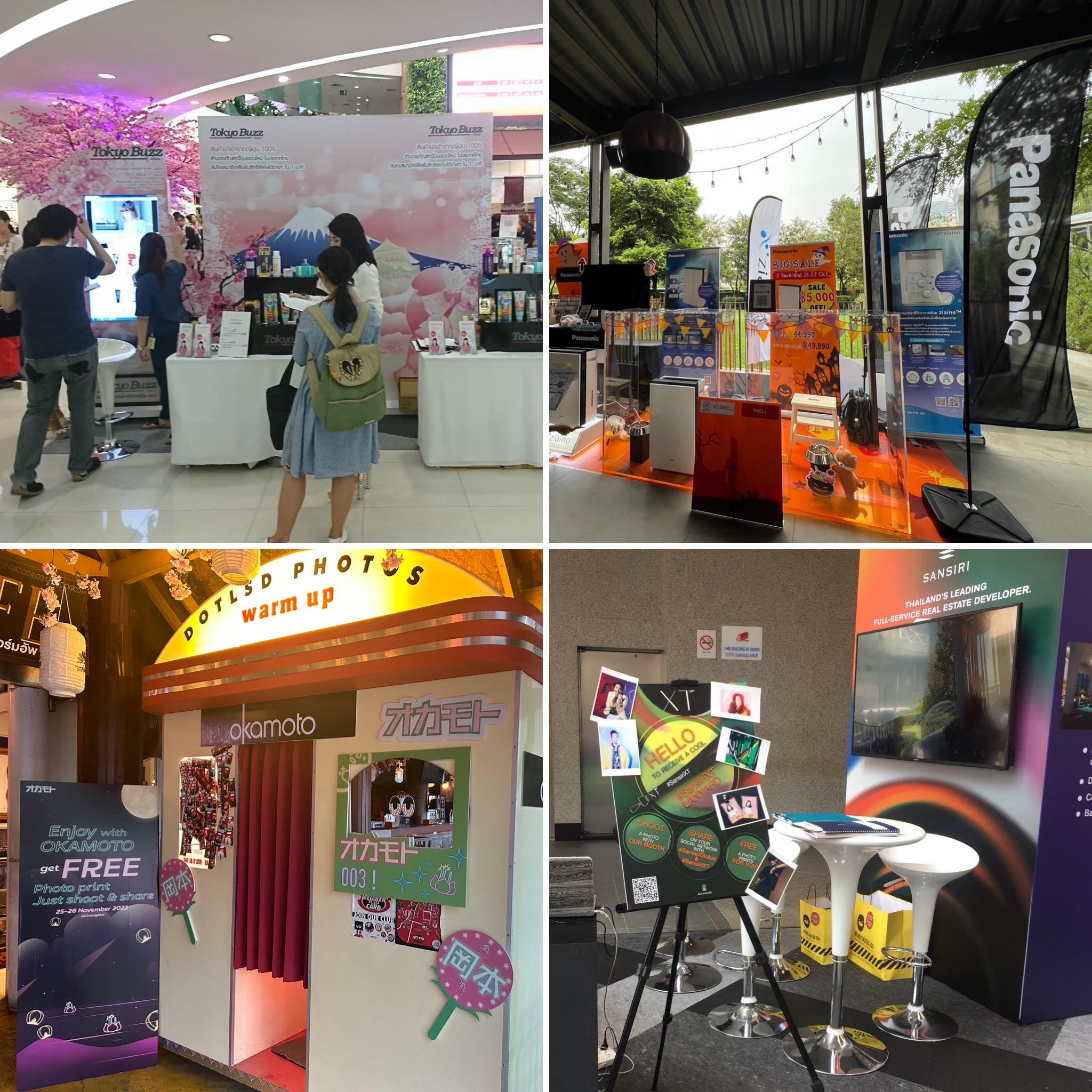
Brand Activation Services is planned around venue rules, labor windows, freight timing, and the way Miami events actually flow on site.
Trade Show Exhibit Company of Miami uses nearby routes like Corporate Event Services, Roadshow Services, and Custom Exhibit Fabrication to keep design, logistics, and execution decisions connected.
Brand Activation Services should be judged by the behavior it is supposed to create. Some formats want extended conversations and scheduled meetings. Others need quick impact, media moments, sponsor visibility, or a cleaner product demonstration environment. Once the outcome is clear, the booth, staging, staffing, and technical plan can stop chasing every possibility and start supporting the exact kind of interaction the event demands.
That matters in Miami because format and venue are tightly linked. A convention hall, a downtown hotel, and a coastal resort can all host the same event category on paper while asking for very different execution choices in practice. The format section should help buyers see that mismatch early so they can align the exhibit package with the real experience they are trying to deliver.
Brand Activation Services behaves differently depending on room scale, guest flow, and the amount of hospitality built into the venue. A conference environment may want quieter demonstrations, more meeting support, and a steadier circulation pattern. A launch or activation format may need stronger reveals, cleaner AV support, and tighter crowd management. The venue does not just host the format. It alters it.
That is why adjacent planning routes such as Corporate Event Services, Roadshow Services, and Custom Exhibit Fabrication matter. They show whether the format should lean on custom build, rentals, technical support, or a simpler operating model. Buyers who treat the format as a real design and logistics filter end up with stronger briefs than buyers who use it as a marketing label only.
Format choice should drive the booth plan. Brand Activation Services may need open sightlines, scheduled demo zones, more hospitality seating, stronger branded surfaces, or a lighter footprint that is easier to reset between sessions. Staffing follows the same logic. The right number of people, their job on the floor, and the way they hand leads or guests off to the rest of the team all depend on the format's actual purpose.
Content flow matters too. A booth that has to support demos, sponsor remarks, and lead capture at the same time needs a different spatial hierarchy than one built for informal networking. The section should therefore help buyers think about what needs to happen on the floor minute by minute, not just what looks attractive in a rendering.
Different event formats create different production risks. A trade show or expo program may put more pressure on freight, labor sequencing, and durable finish quality across several days. A launch or activation may care more about reveal timing, rehearsal, AV reliability, and how quickly the environment can recover if something changes on site. Strong planning starts by acknowledging which type of risk the format introduces.
That clarity affects whether the right answer is more pre-build, a more modular booth system, additional show-site supervision, or a stronger rental package that can be revised faster late in the process. Format sections are valuable when they turn those tradeoffs into plain language the buyer can actually use during approval and procurement.
The common mistake is assuming the event type automatically defines the exhibit. It does not. Two programs with the same format label can have very different goals, room constraints, and audience expectations. Buyers should ask which parts of the format are fixed, which ones are performance choices, and what the venue or organizer will force the team to simplify. That is how the section stays honest.
Another mistake is separating the format from the rest of the operating stack. If brand activation services requires more AV, more labor, or a different booth type, those changes should be visible immediately. The section should help the buyer move toward a working brief, not create a false sense that the event type alone is enough to define scope.
A productive next step is to pair the event type with the likely venue, show dates, expected audience, and the experience the company wants people to remember. With those facts in place, the team can recommend the right booth package, the right service mix, and the level of technical or show-site support that keeps the format believable under field conditions.
Trade Show Exhibit Company of Miami uses format sections like this one to make the next planning decision easier. Instead of talking about events in abstract terms, the team can connect the format to real booth choices, real production timing, and real Miami operating conditions. That keeps the program grounded while still leaving room for a stronger creative idea.